
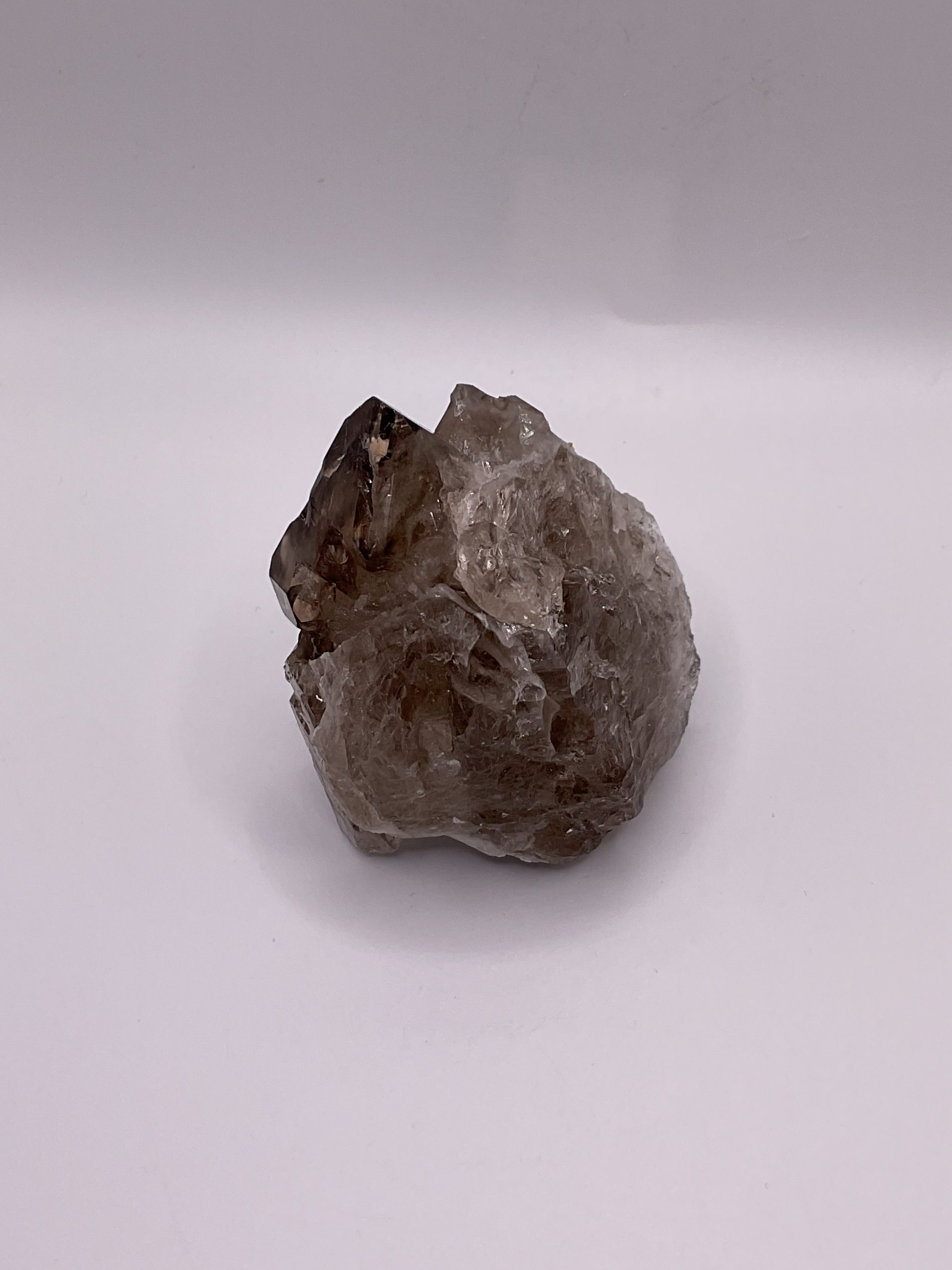
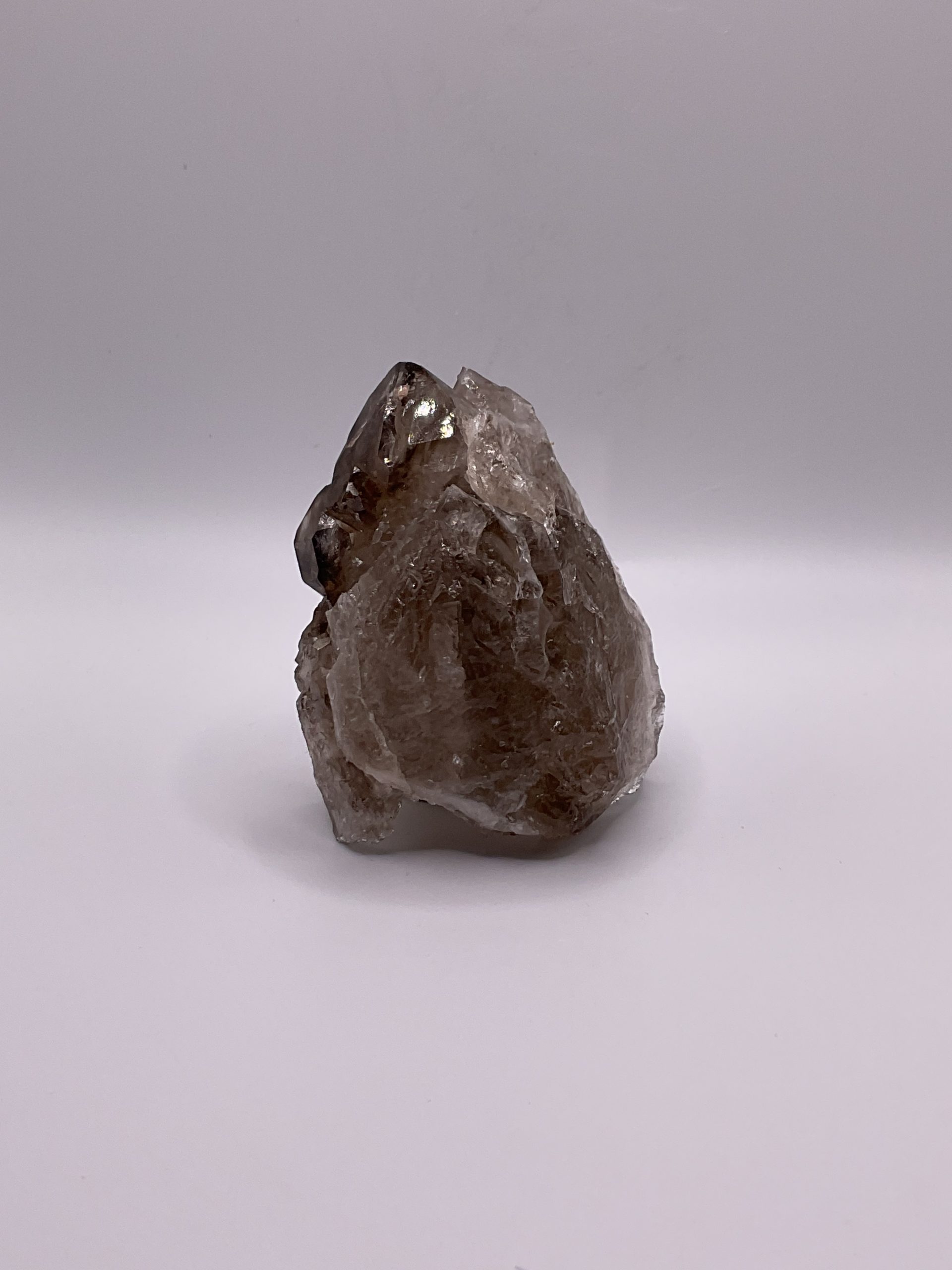
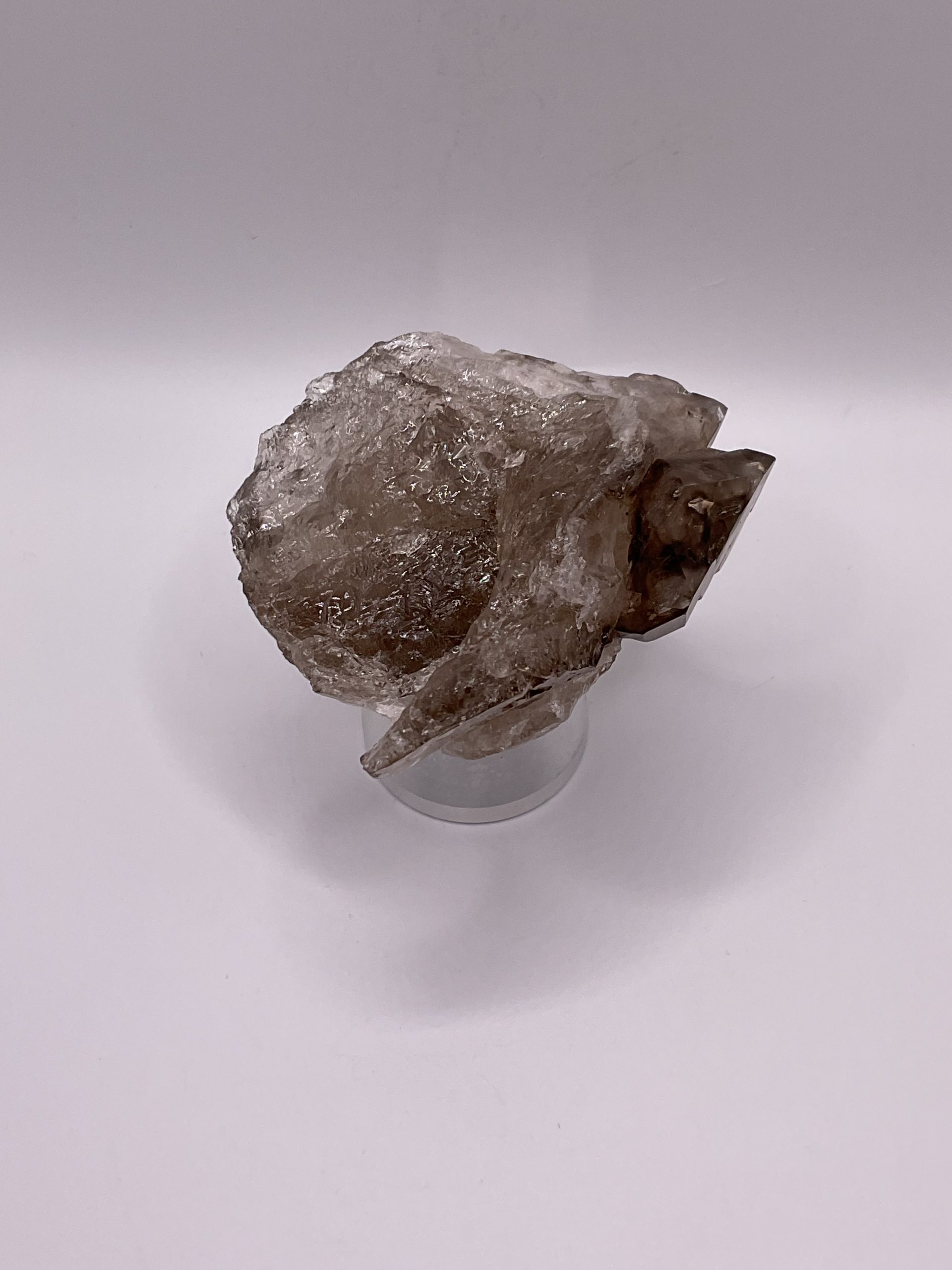
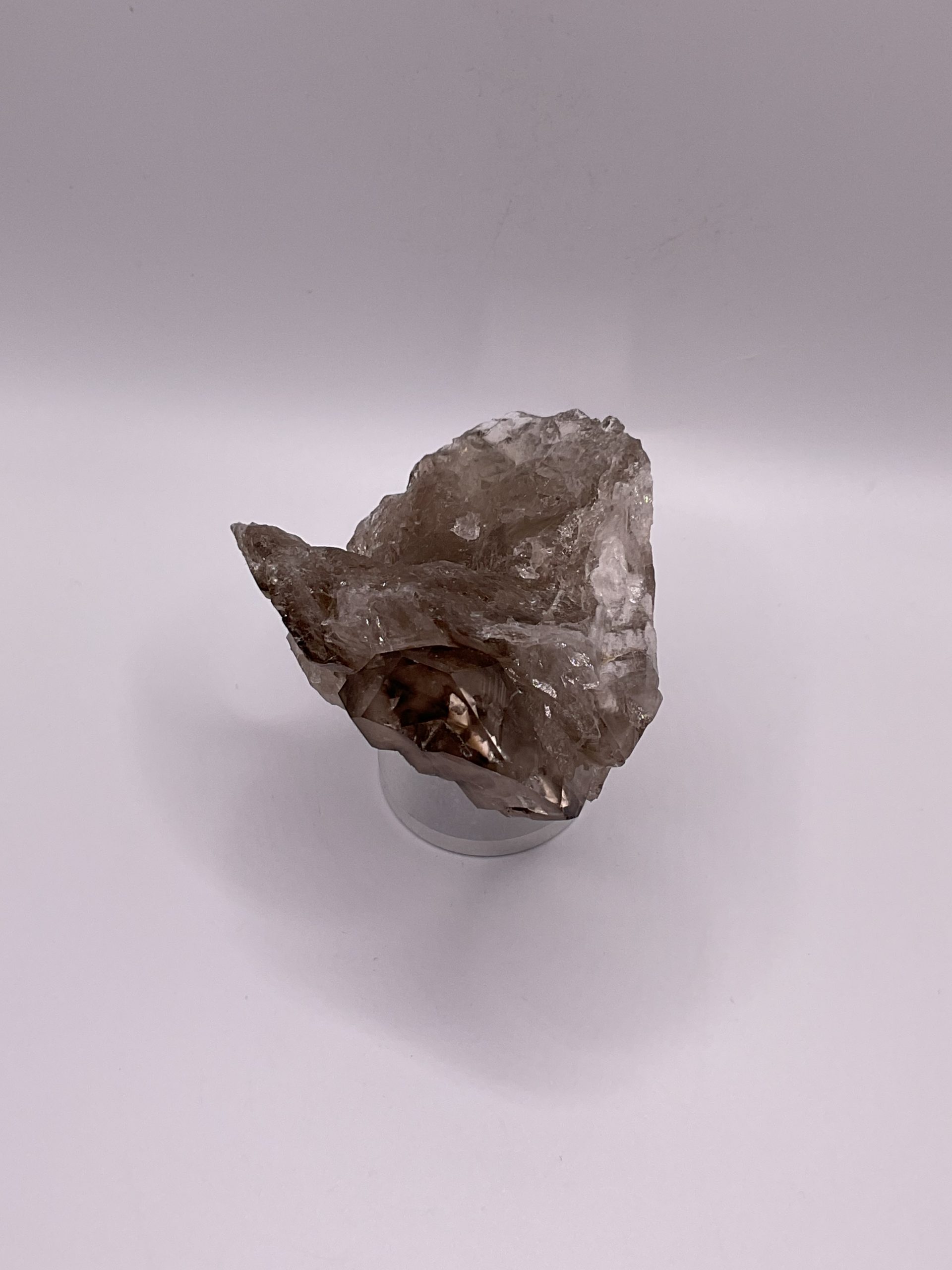
Description
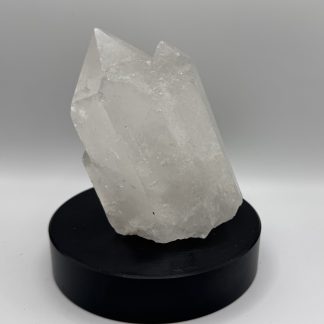
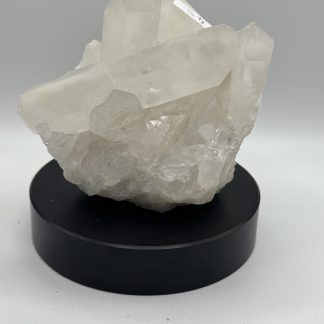
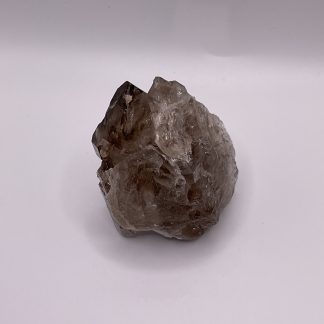
Smoky elestial quartz forms under highly dynamic geological conditions, typically involving:
-
Fluctuating temperatures and pressures
-
Interrupted crystal growth
-
Repeated cycles of dissolution and regrowth
The smoky color comes from natural radiation interacting with aluminum impurities in the quartz lattice over long periods.
The elestial structure develops when growth happens unevenly—edges continue forming while interiors lag, creating skeletal, layered, or etched appearances.
Key Geographic Sources
Smoky elestial quartz is most famously found in:
-
Brazil (Minas Gerais)
The world’s most significant source. Brazilian specimens are often large, dramatic, and deeply etched. -
Madagascar
Known for high-vibration, sharply defined elestial structures with lighter smoky tones. -
The Himalayas (India/Nepal/Tibet)
These crystals often form at extreme altitudes and are associated with very high clarity and spiritual reverence. -
United States (Arkansas, Colorado)
Smaller but notable finds, often from pegmatite deposits.
These regions share tectonic activity and mineral-rich environments that support complex crystal growth.
Reviews
There are no reviews yet.