
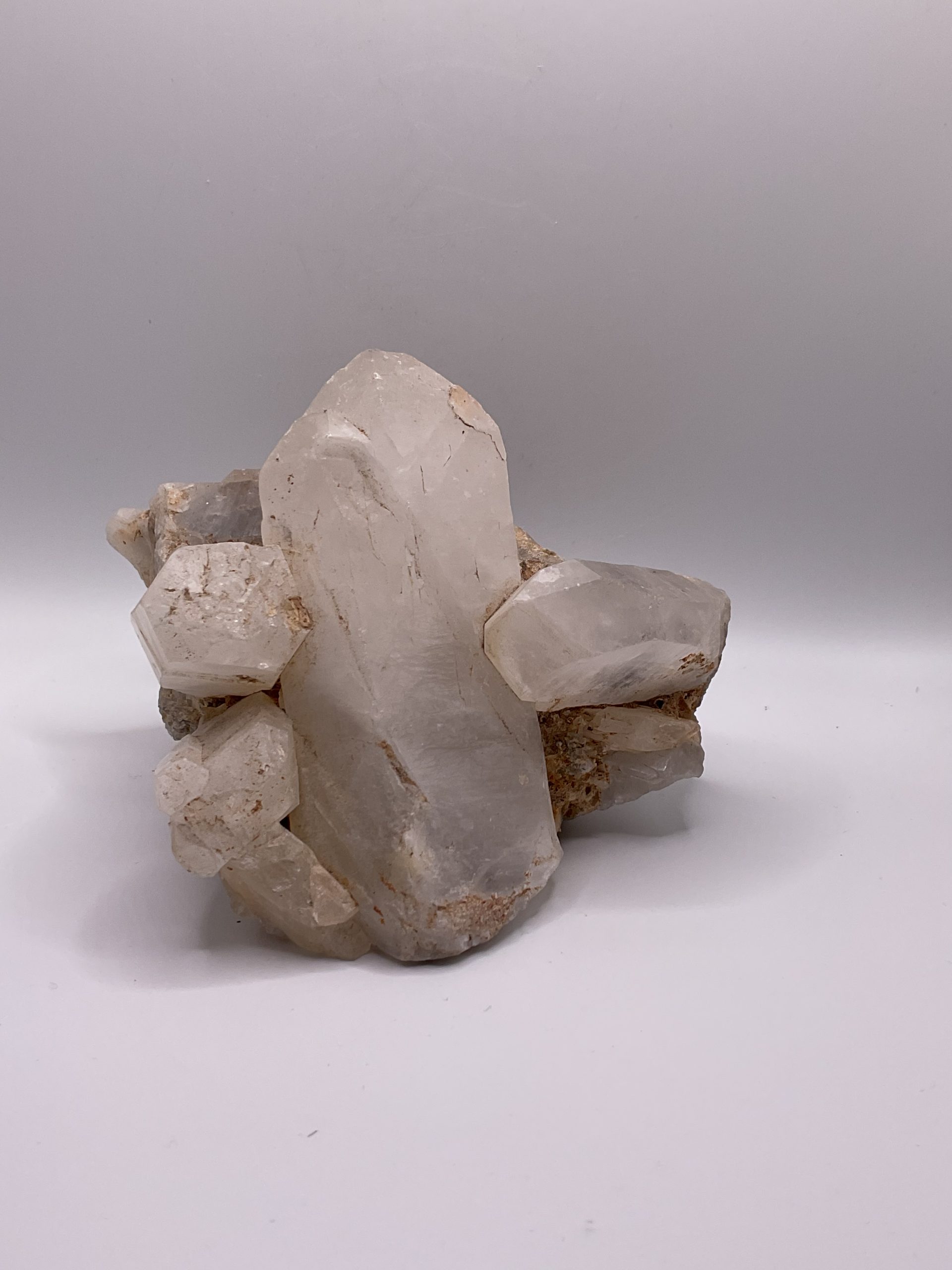
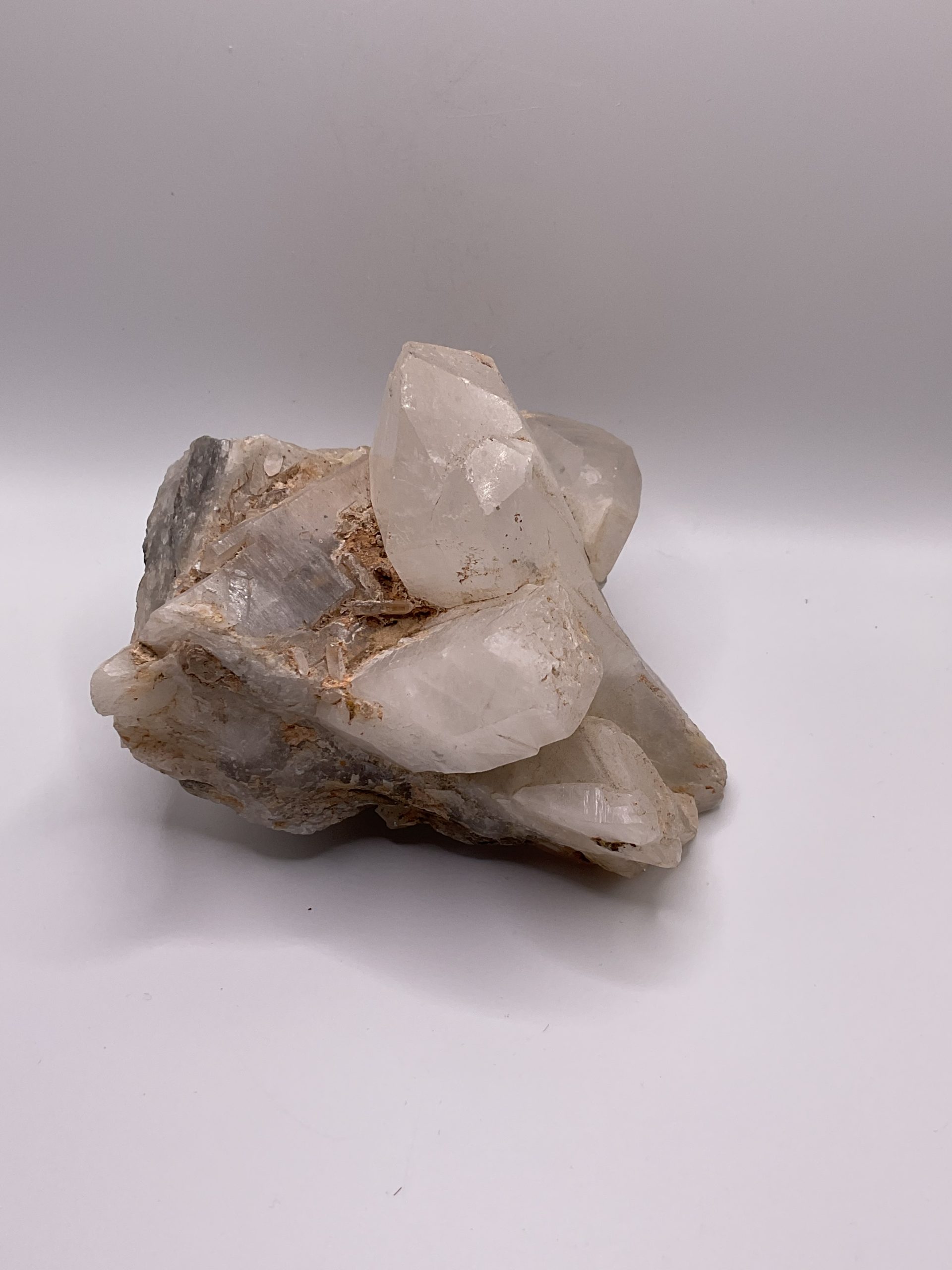
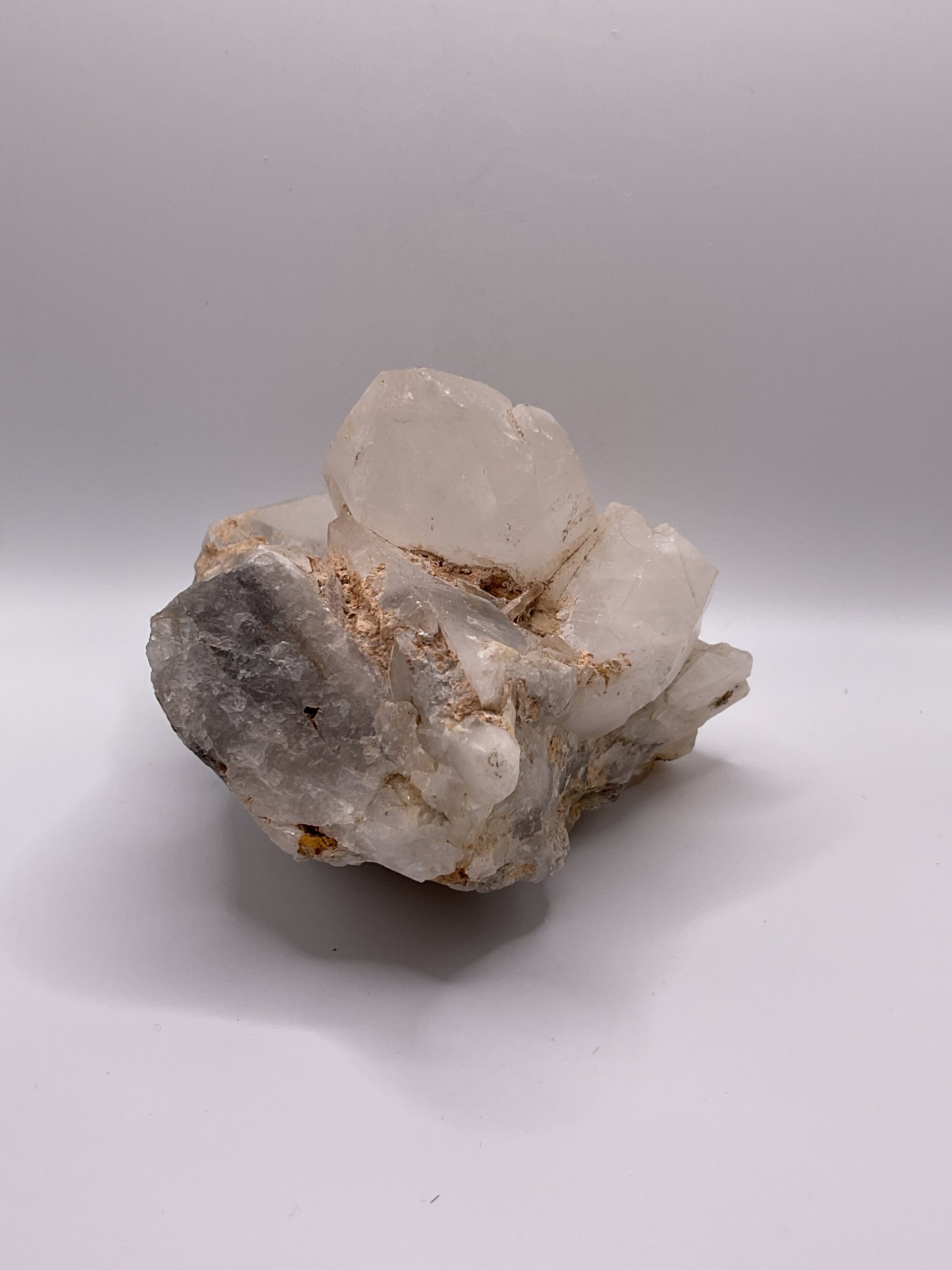
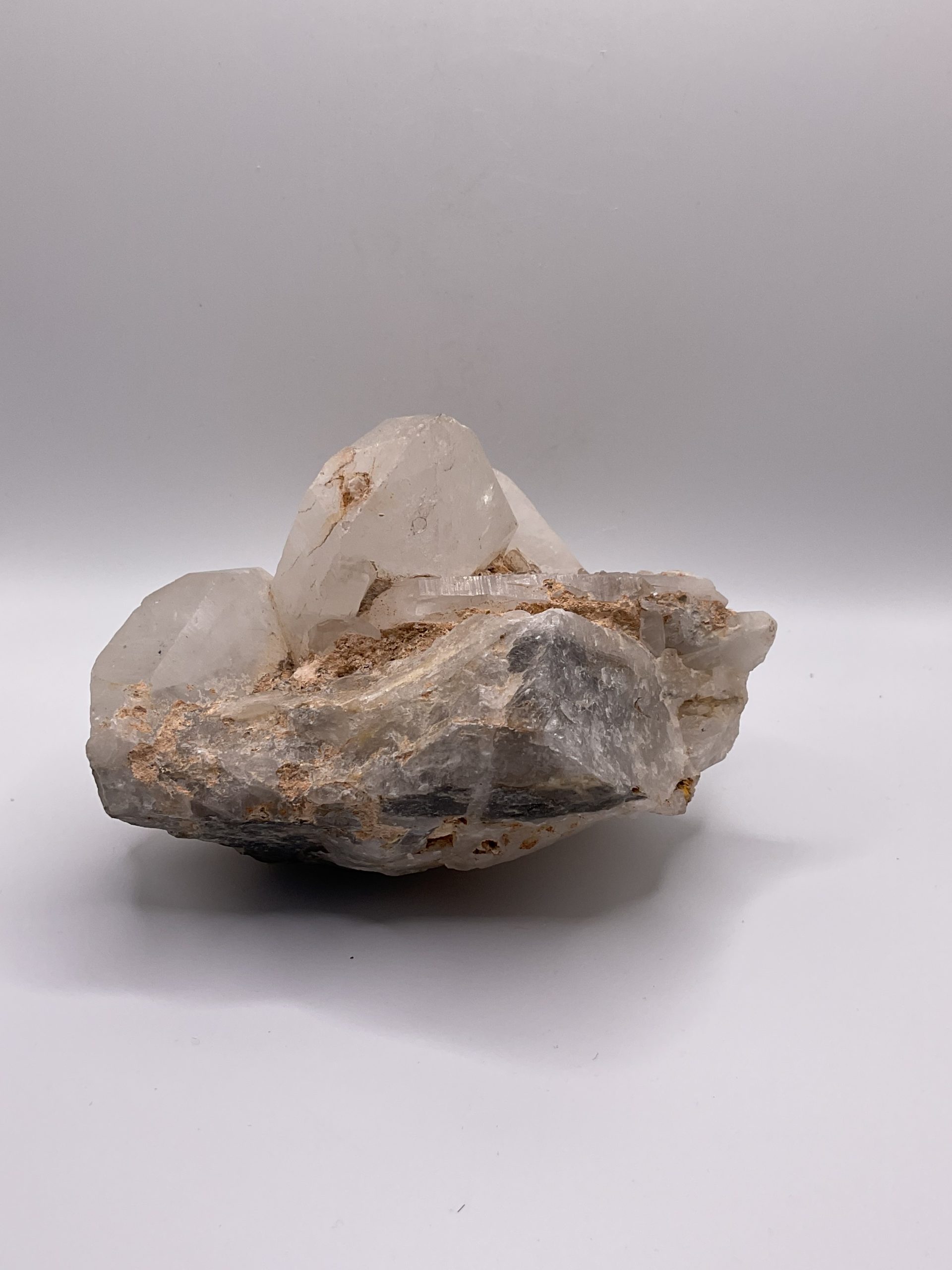
Description
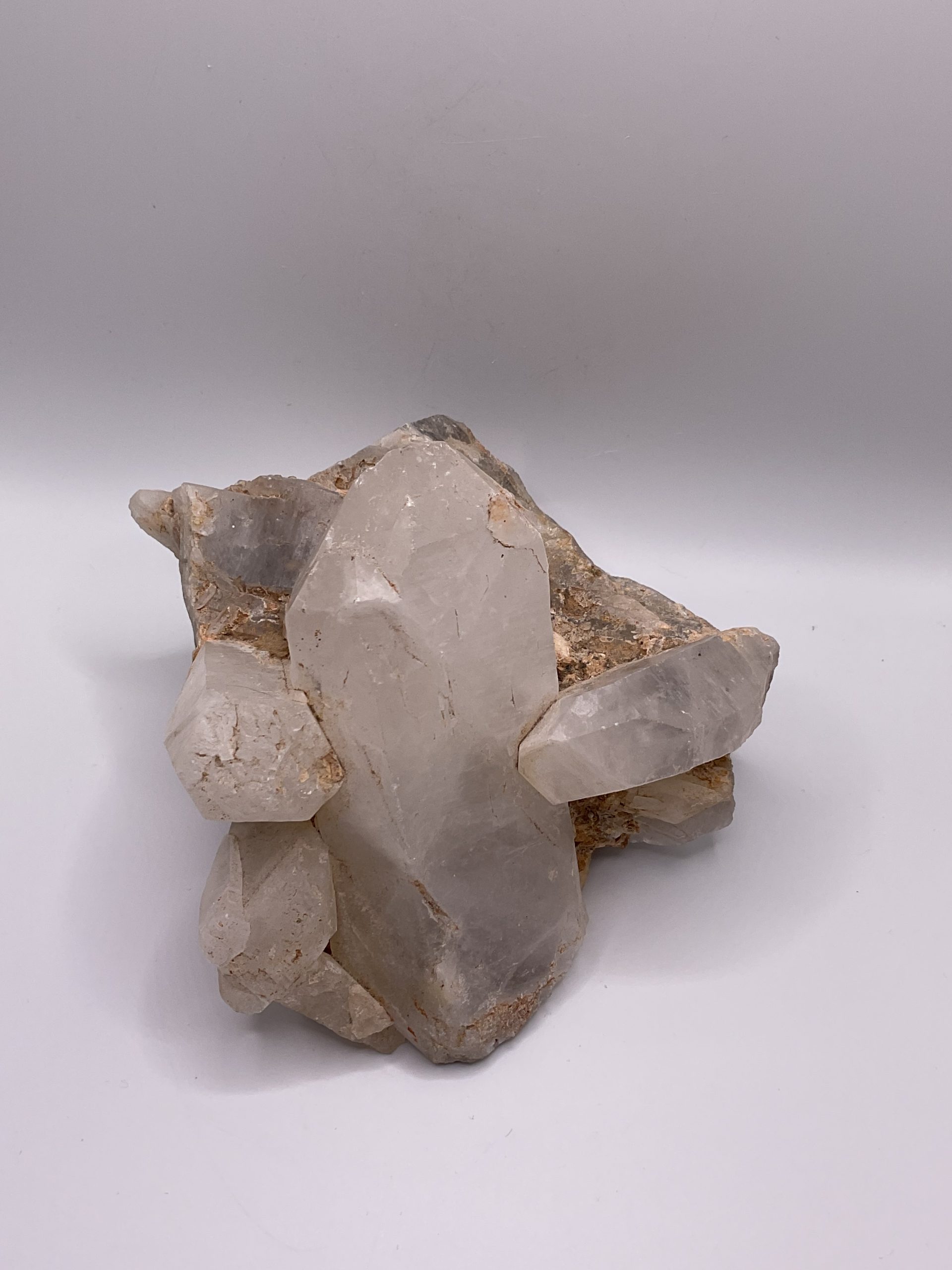
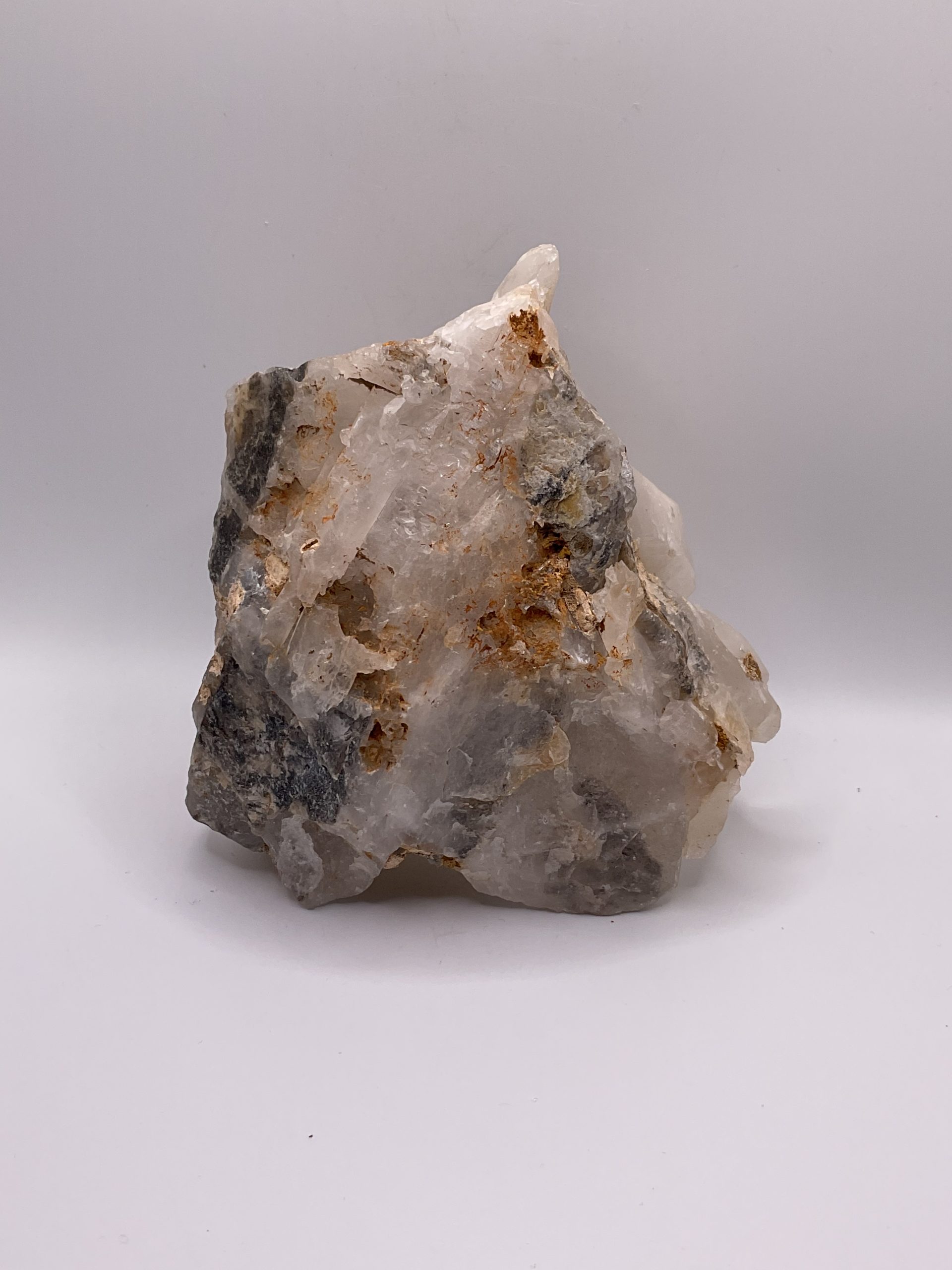
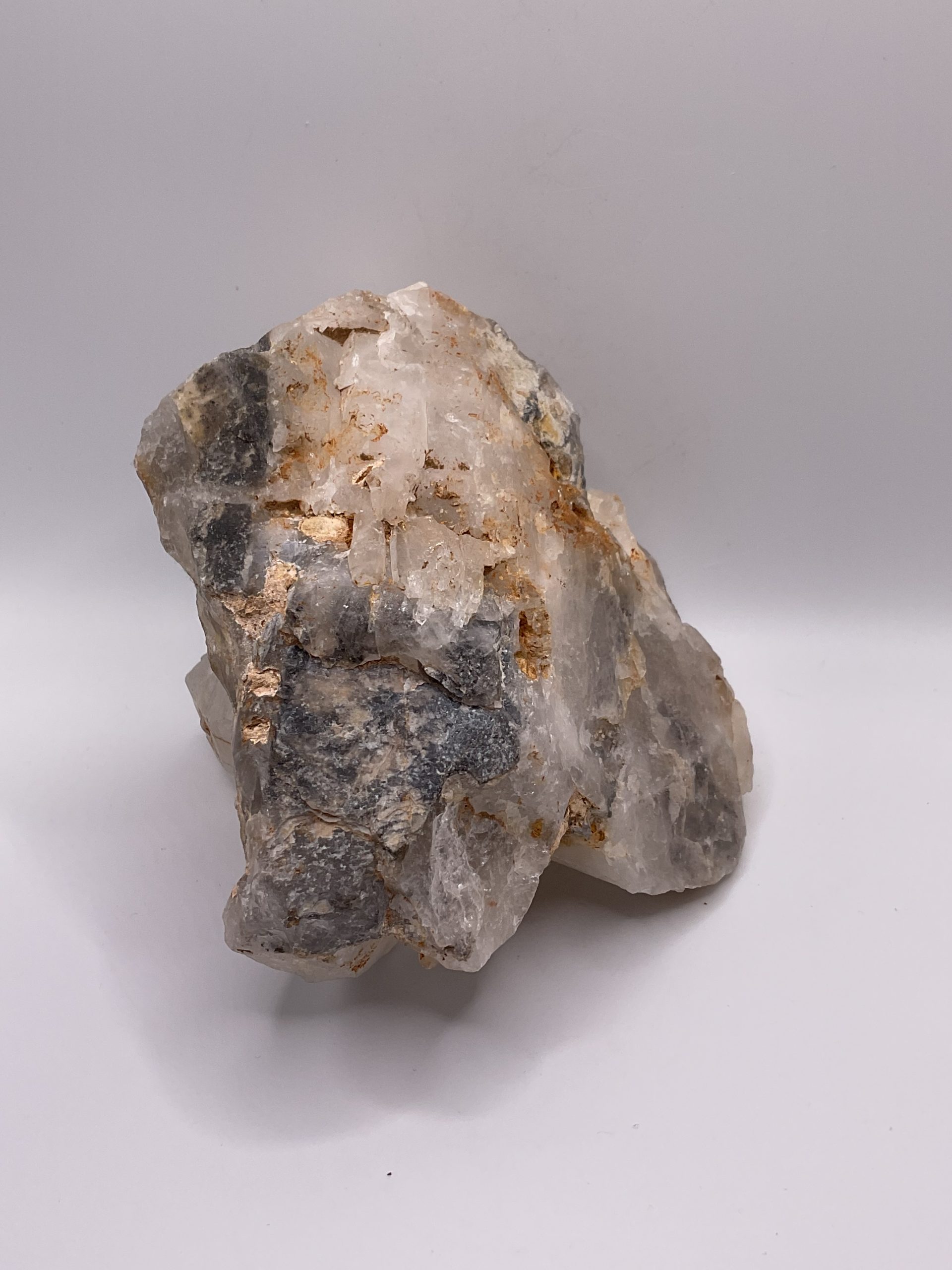
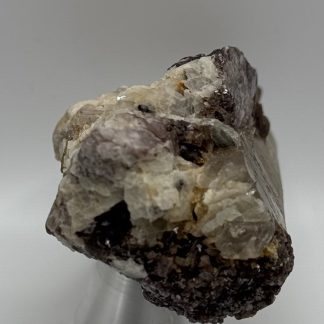
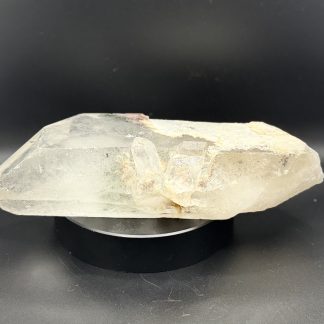
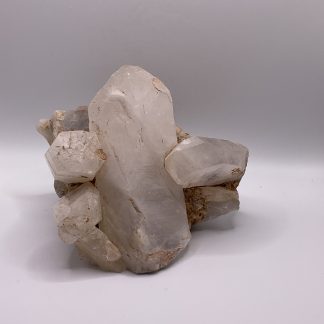
Moroccan Candle quartz is a naturally occurring variety of α-quartz (SiO₂) characterized by its elongated, columnar growth, often forming parallel or slightly tapering crystal structures reminiscent of a candle or pillar. These formations are prized for their distinctive morphology, which differs from typical prismatic quartz.
Formation and Growth
-
Candle quartz forms in silica-saturated hydrothermal environments, often within pegmatites, granitic cavities, or hydrothermal veins.
-
Growth occurs under relatively stable temperature and pressure conditions, allowing elongated, single-crystal or multi-crystal column development.
-
Internal features, including growth zoning, phantoms, and fluid inclusions, record episodic changes in fluid composition, temperature, and supersaturation during crystallization.
-
The columnar habit develops when vertical growth along the c-axis exceeds lateral growth along the a-axes, producing a tall, narrow prism.
Physical and Crystallographic Properties
-
Chemical formula: SiO₂
-
Crystal system: Trigonal
-
Hardness: 7 (Mohs scale)
-
Density: ~2.65 g/cm³
-
Cleavage: None; fracture: conchoidal
-
Luster: Vitreous
-
Transparency: Transparent to translucent
Geological Occurrence
-
Candle quartz is commonly sourced from Brazilian pegmatites and hydrothermal veins, especially in Minas Gerais, though other regions with silica-rich hydrothermal systems can produce similar formations.
-
Its elongated habit is more pronounced in environments with slow, uninterrupted crystal growth, often in cavities or fractures where vertical space is unimpeded.
Educational Significance
-
Candle quartz illustrates anisotropic crystal growth, showing how differential rates along crystallographic axes can produce unusual crystal morphologies.
-
Internal zoning, veils, and fluid inclusions make it a valuable specimen for studying hydrothermal fluid evolution, growth kinetics, and thermodynamic conditions of crystallization.
-
These crystals are ideal for geology education, mineralogical research, and comparative crystallography, providing clear examples of growth habit variability in quartz.
Reviews
There are no reviews yet.